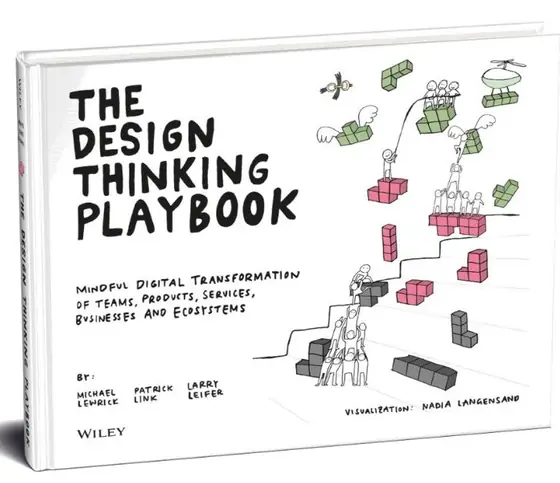
The Design Thinking Playbook
Lewrick · Link · Leifer
Mindful digital transformation of teams, products, services, businesses and ecosystems.
Design Thinking for Humanity › Templates › Futures Thinking
Futures Thinking · book page 86
A reflection tool to surface the biases that narrow how a team imagines the future.
Before ideation or scenario work, and whenever a team agrees too quickly.
The book explains the tool step by step, with examples from the case study The Living Soil Mandate.
More Futures Thinking templates
Design Thinking for Humanity, Wiley 2026: all five lenses, every tool explained step by step.
The series
The Wiley design thinking series: more than 3 million readers in over 25 languages.
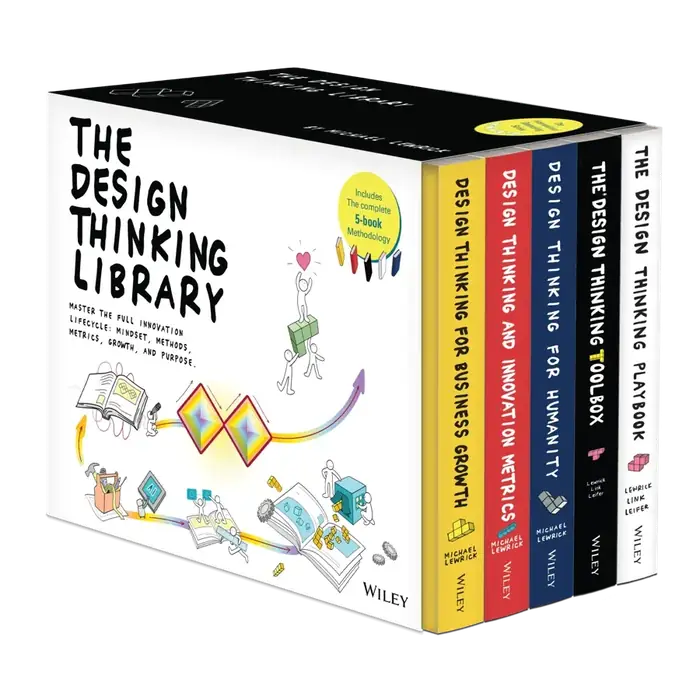
New
Five books in one box: mindset, methods, metrics, growth and purpose. The complete methodology for the full innovation lifecycle.
Lewrick · Link · Leifer
Mindful digital transformation of teams, products, services, businesses and ecosystems.
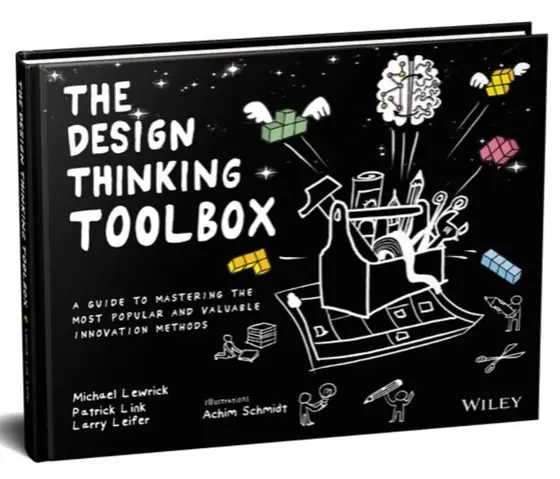
Lewrick · Link · Leifer
A guide to mastering the most popular and valuable innovation methods.
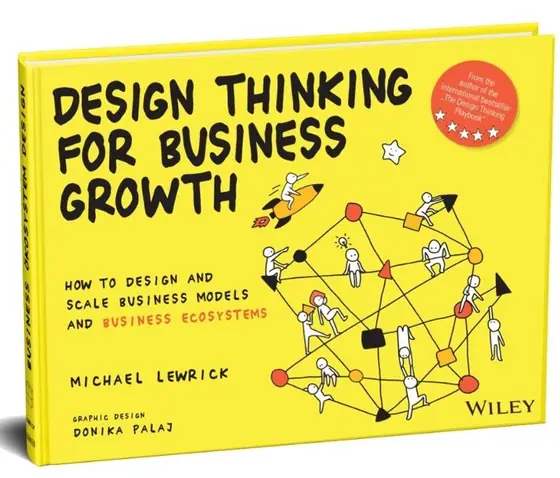
Lewrick
How to design and scale business models and business ecosystems.
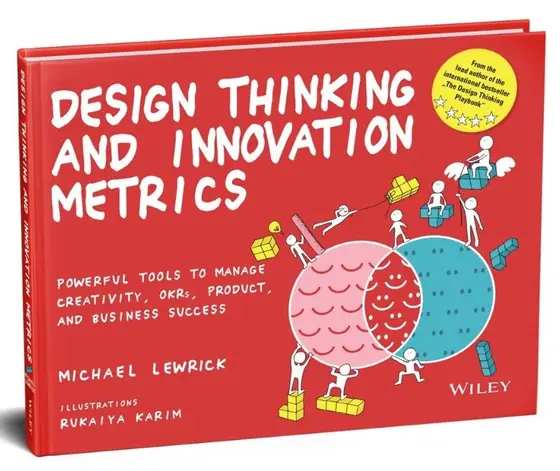
Lewrick
Powerful tools to manage creativity, OKRs, product and business success.
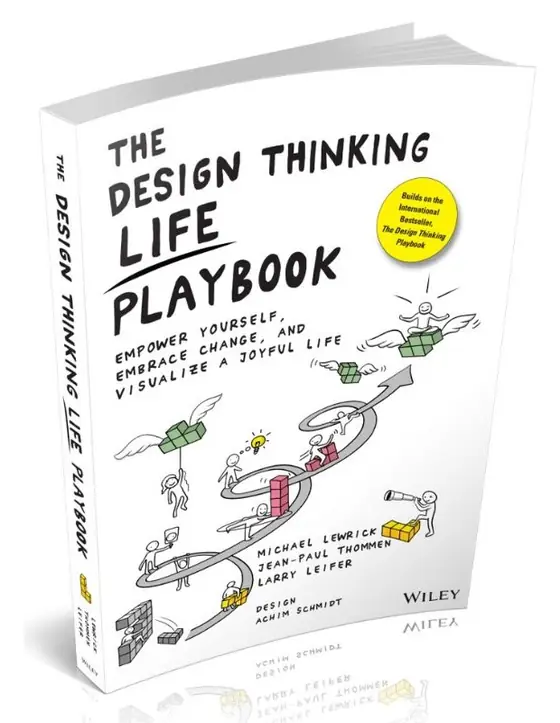
Lewrick · Thommen · Leifer
Empower yourself, embrace change and visualize a joyful life.